

Comprehensive retirement planning strategies for Ohio's Police professionals.
For years, your sleep was likely dictated by shift rotations, late-night arrests, or the “on-call” adrenaline spike. To decompress, you must treat sleep as your primary tactical objective. This isn’t just about “getting rest”; it’s about repairing a brain that has been bathed in stress hormones. Start by darkening your room completely and maintaining a strict schedule, even on weekends. Avoid “doom-scrolling” or checking news feeds two hours before bed, as these mimic the information-gathering phase of a patrol shift. By stabilizing your circadian rhythm, you lower your baseline cortisol, which reduces irritability and the “flat” emotional feeling common in early retirement.


Retirement often leads to a sudden drop in physical activity or, conversely, an obsession with maintaining “duty fitness.” Shift your focus from “performance for survival” to “longevity for enjoyment.” Tactical decompression involves moving away from high-impact, high-stress workouts that keep your heart rate in the “fight” zone. Incorporate zone 2 cardio (where you can still hold a conversation) and mobility work like yoga or swimming. This signals to your nervous system that you are no longer in a combative environment. Physical movement is the fastest way to process stored trauma; let your sweat be a release valve, not a reinforcement of combat readiness.
Police work requires a constant scan for threats, outliers, and negativity. In retirement, this habit often manifests as an addiction to 24-hour news or social media outrage. This “threat scanning” keeps your amygdala enlarged and active. To decompress, conduct a digital audit. Unfollow accounts that focus on crime, politics, or societal collapse. Replace that intake with hobbies or topics that have zero “utility” to a cop—woodworking, gardening, or history. You are retraining your brain to realize that not every piece of information needs to be triaged for danger. You no longer need to be the “sheepdog” of the internet.


The “Blue Wall” provides a sense of safety, but it can also become an echo chamber of cynicism. Decompression requires diversifying your social portfolio. While maintaining bonds with former partners is healthy, you must intentionally seek out civilian friends who have never seen the “inside of the tape.” These interactions force you to develop communication skills beyond the shorthand of the precinct. Civilians offer a different perspective on life that isn’t colored by the worst 10% of society. Building a “non-cop” identity is essential; you are a person who was a police officer, not a police officer who is currently unemployed.
You have spent decades perfecting the “up-regulation” of your nervous system—getting ready for the pursuit or the confrontation. You likely have no “down-regulation” circuit. Tactical decompression involves learning to manually flip the switch from Sympathetic (fight/flight) to Parasympathetic (rest/digest). Techniques like box breathing (inhale 4, hold 4, exhale 4, hold 4) are not just “touchy-feely” exercises; they are physiological overrides for the Vagus nerve. Practice these in low-stress moments—while sitting in traffic or waiting for coffee—so your body learns that it is safe to relax. This is the “cleaning of the service weapon” for your brain.
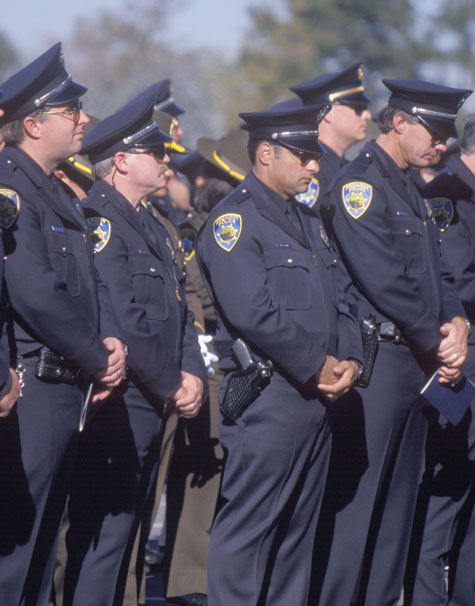
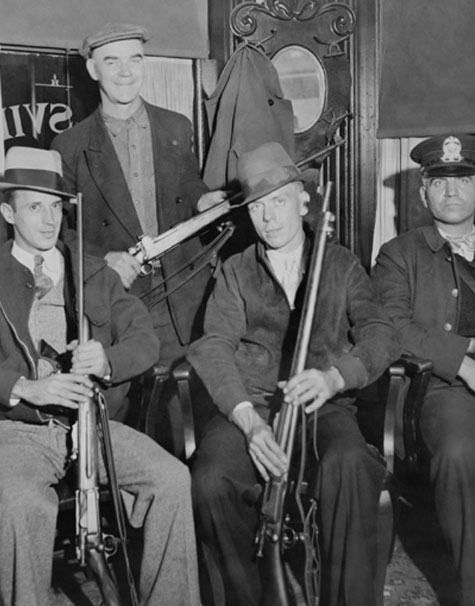
You likely still sit facing the door in restaurants and scan waistbands for bulges. While these are survival skills, they are also exhausting. Tactical decompression involves a “graduated exposure” to being a civilian. Start by intentionally sitting with your back to the door in a safe, familiar environment for 15 minutes. Acknowledge the discomfort, breathe through it, and realize that nothing happened. You are teaching your brain that the “threat environment” has changed. You don’t have to be oblivious, but you can move from “Orange” to “Yellow” on the Cooper Color Code. Living in “Red” during retirement will lead to burnout and health issues.
The “Purpose Void” is the leading cause of post-retirement depression. You are used to a job where you are needed, where you solve problems, and where you have authority. To decompress successfully, you need a mission that provides “low-stakes” dopamine. This could be volunteering, starting a small business, or mentoring. The key is finding something where the consequences of failure aren’t life or death. This allows you to exercise your leadership and problem-solving skills without the crushing weight of liability or tragedy. You are looking for “significance” rather than “authority.” A life without a mission is a life where you dwell on the past.

Do not wait for a crisis to speak with a professional. Tactical decompression means acknowledging that you have seen more trauma in a week than most people see in a lifetime. Find a therapist who specializes in first responders—someone who understands the unique “dark humor” and “cynicism” of the job. This isn’t about “fixing” you; it’s about “debriefing” 20+ years of critical incidents. Think of it as an exit interview for your soul. Emptying the “mental rucksack” of the calls you couldn’t save or the faces you can’t forget is vital to preventing post-traumatic stress from hardening into permanent bitterness.
The structure of the “Watch” provided a framework for your life. Without it, many retired officers drift. Create “Civilian SOPs” (Standard Operating Procedures) for your morning and evening. This might include a morning walk, a specific coffee routine, or a hobby-based task. These rituals replace the ritual of putting on the vest and checking your gear. They provide the “predictability” your brain craves without the “stress” of the job. By controlling your environment through small, positive habits, you reduce the anxiety that comes with a sudden lack of schedule. Structure is the antidote to the “retirement slump.”


Cops live in the past (writing reports) or the future (anticipating the next call). They are rarely in the “now.” Decompression is the practice of being present. When you are with your family, be with them—not scanning the room or checking your phone for department gossip. Practice mindfulness or meditation to tether yourself to the current moment. Your family likely spent years getting the “leftovers” of your energy; now, they deserve the “best” of you. Learning to enjoy a quiet afternoon without feeling like “something is about to happen” is the ultimate goal of a successful transition.